We all know that hand loom weaving is one of the leading handicrafts industries in the Philippines and considered as a traditional craft in a number of of regions in the country. It is labor intensive and utilizes indigenous materials such as abaca, raffia, pineapple, buri, and more that makes it more potential as an industry. Different regions and ethnic groups use their own kind of loom, raw material, fabric design and weaving techniques, which are carefully considered in selecting the appropriate loom. Different regions have their own woven products famously associated with their land.
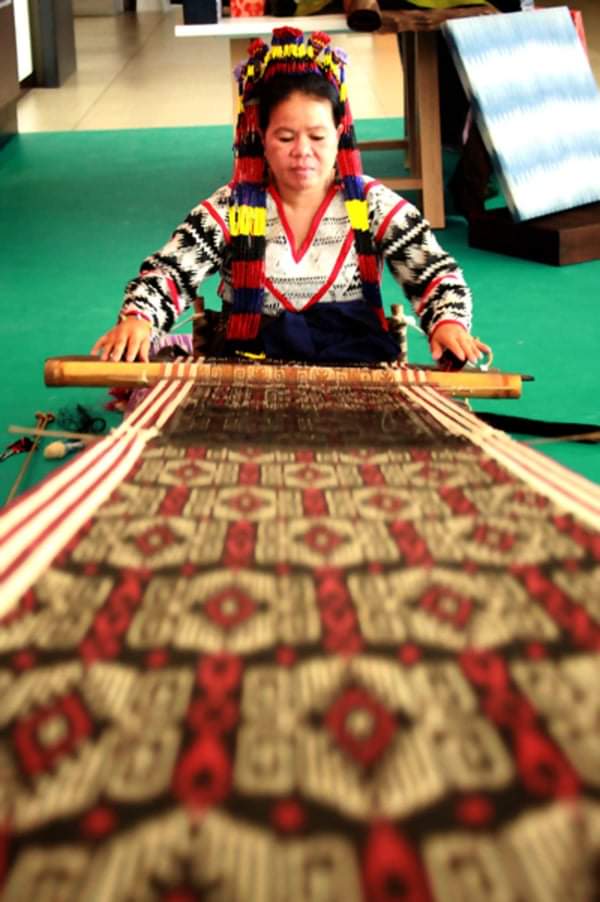
Among these products, what captures me most is The Tapis of the Kalinga Tribe
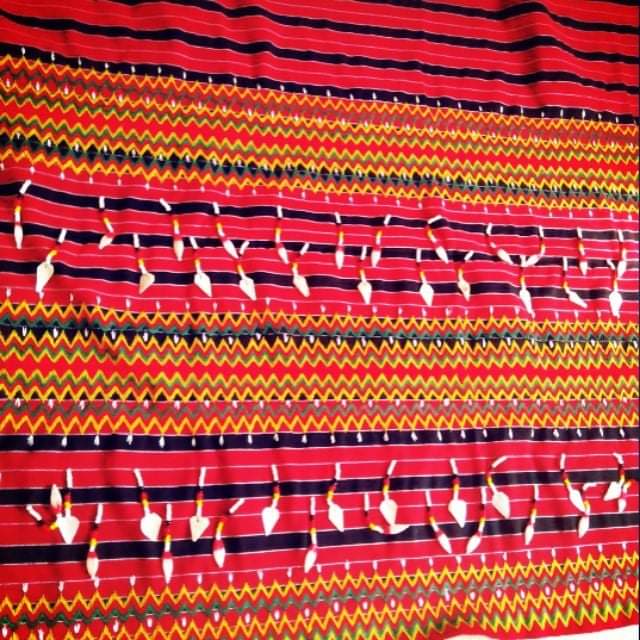
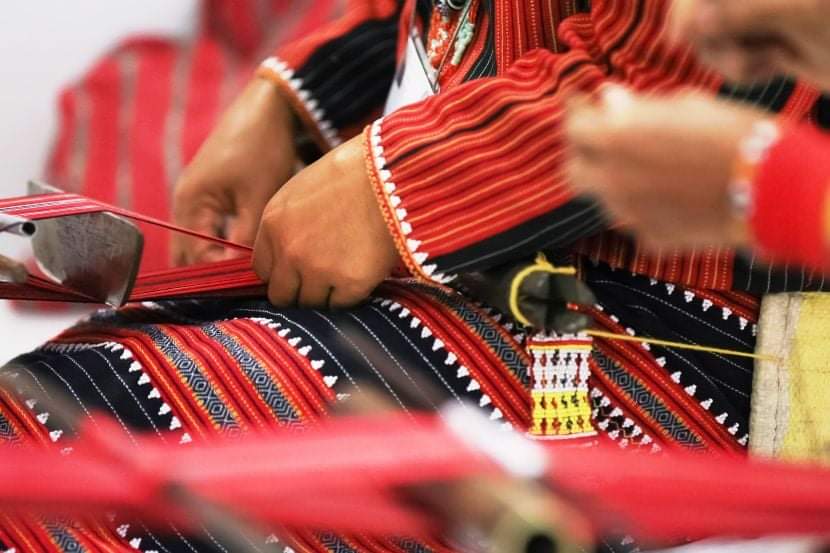
Many motifs and colours are shared across the region, Kalinga clothing is particularly brightly coloured and is often dominated by bands of fiery red. This type of wrap around skirt is generally known as Tapis in Tagalog language and kain to Kalinga. It is characterised by horizontal stripes bordered by decorated panels along the joins and edge. In typical fashion, this example is further embellished with embroidery, beads and mother-of-pearl shells. The shells, which were an imported novelty for mountainous communities like the Kaling, are attached so has to move and reflect light. This adds a dynamic element to the overall design of the skirt.
In Northern Luzon, women from the town of Lambuagan in Kalinga weave to earn an income that is vital in providing the needs for families. Weaving in Kalinga is a traditional that is passed on to the subsequent generations from mother to daughter. Girls begin to weave as early as 10 years old. Men also participate in making the craft. Some of the design includes mountains, birds, lakes and stars.
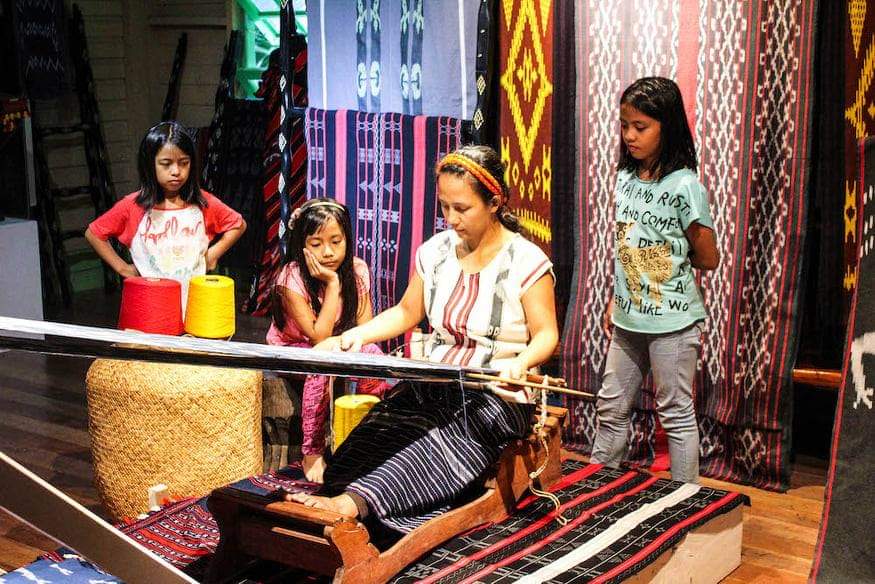
Previously, I considered Philippine weaving, patterns are just patterns. Lines that go any which way, shapes and shades that puts around in a blank colored canvas and just colors that seems to attract costumers. But as i became educated enough and allowed myself to be concious with it. I realized that there’s a lot more to what I believed it is. Those “lines” actually tell the whole biography of the weave. Those “shape, shades and colors” actually tell which tribe it came from to what the true purpose of the weave is, this is what the artist/creator wants to tell us. Sometimes, we are just too stubborn to allow this knowledge to touch our lives. We have to put a part or our attention in order to instill in our mind the importance of using Philippine cotton and the value as to what this brings. To cultural aspects in the sense that we learn about our indigenous tribes, those who can be called “the first Filipinos” and what we can do to support and respect their culture.
Credit to the rightful owner of the pics.
REFERENCES:
-HAYIN,2010
-Ross Langlands, TAASA Review, ‘Collecting Filipino Textiles: Interview with John Yu’
 The Wanderer